10 Prompts to Create Meaningful Memory Pages
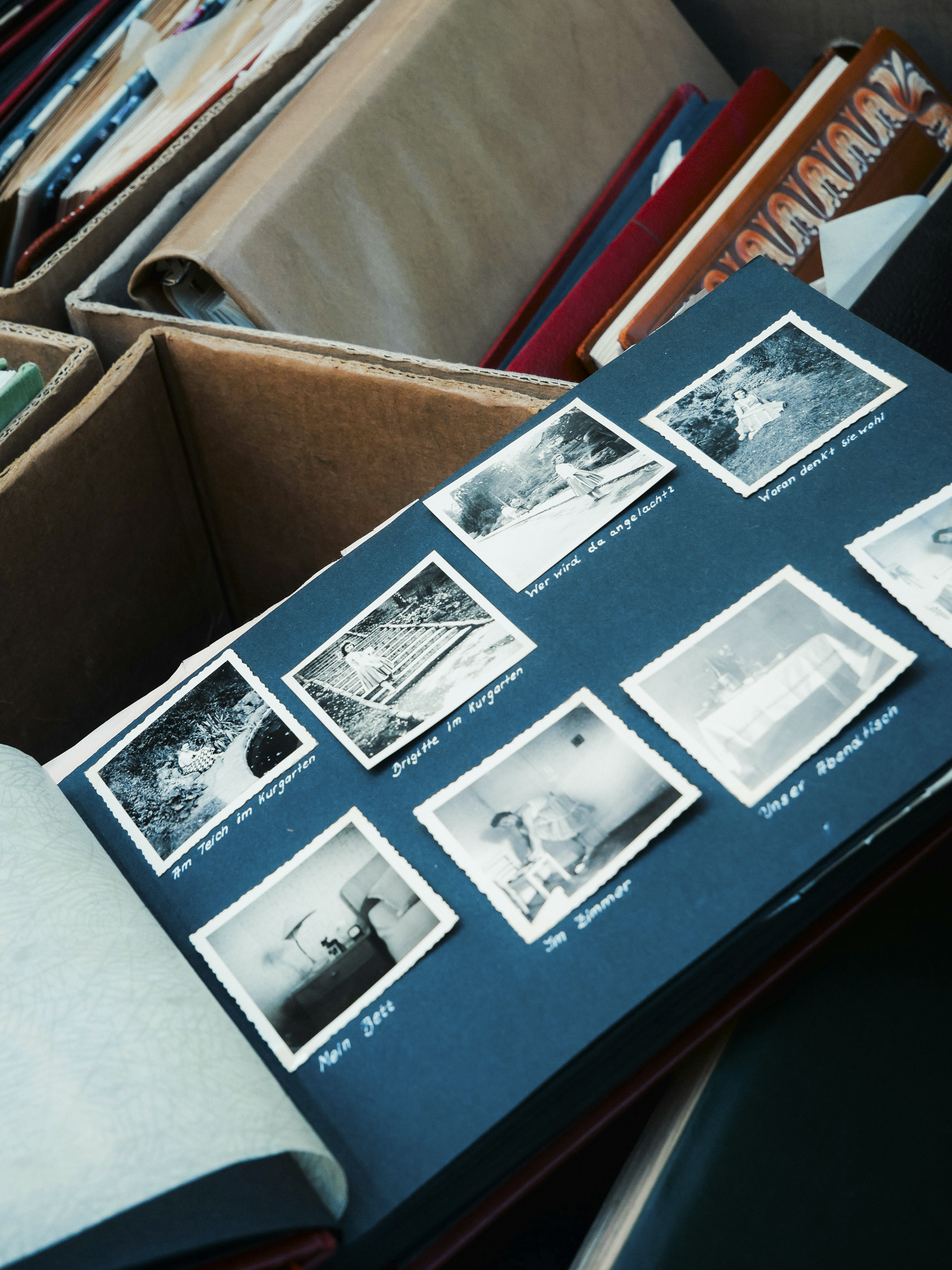
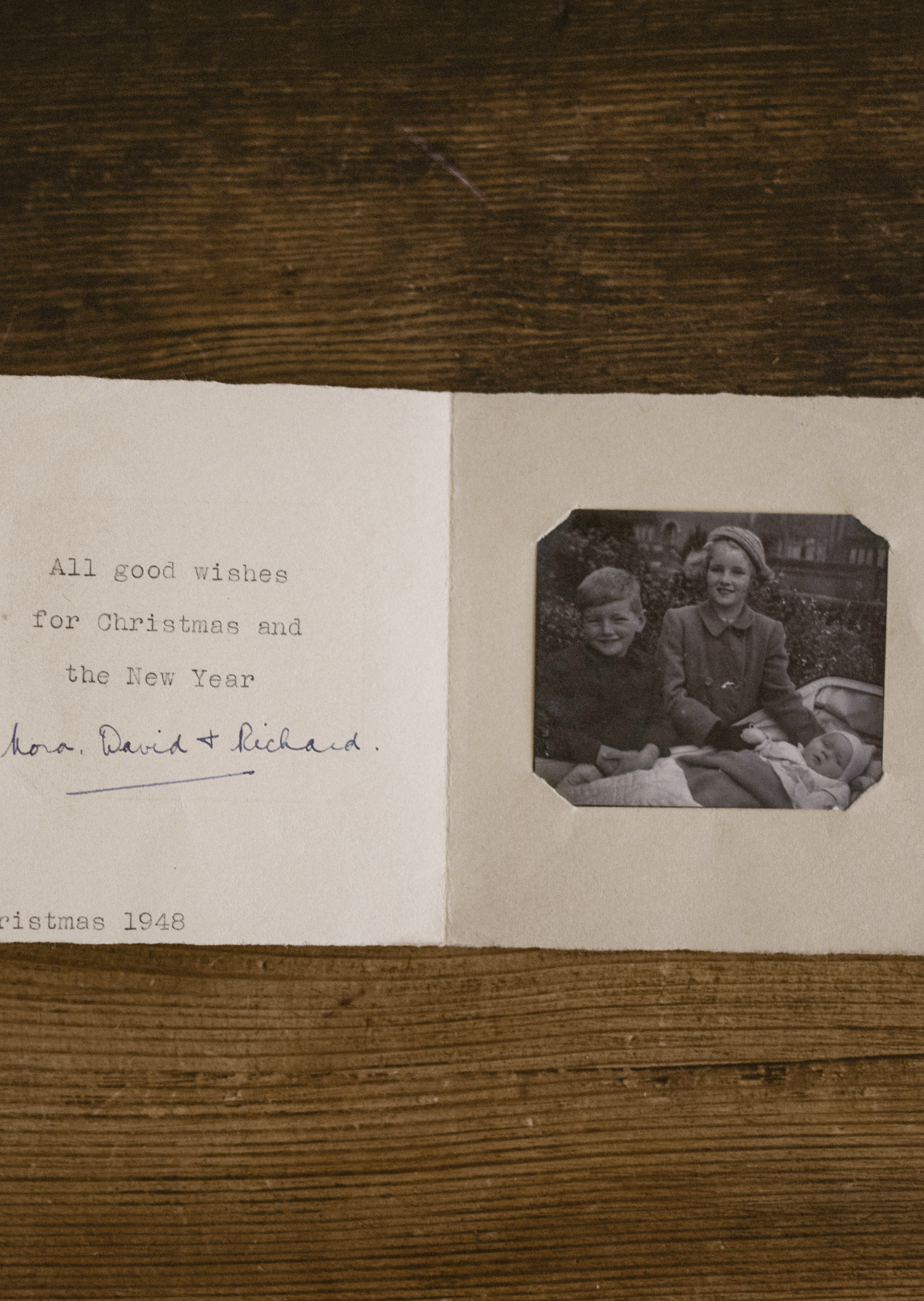
When I inherited lots and lots of large plastic bins filled with family photographs and ephemera, I didn’t know where to begin.
There were decades of faces, letters, documents, special notes. Just SO many stories to be told.
What helped me most wasn’t organizing everything because I didn’t even know how I could start that giant project. It was starting with a prompt.
A single, focused idea gives you direction. It turns overwhelm into an action plan you can actually follow.
If you’re building your own memory binder, here are ten prompts to guide you.
1. The People Who Raised Me
Pull photographs of mothers, grandfathers, friends or anyone who helped shape your childhood.
Add handwritten recipes, notes, or fabrics that remind you of them.
Write one sentence about what each person taught you.
2. A House That Shaped Us
Old home photos. Floor plans. Street names.
What did the kitchen look like? The backyard?
Layer in colors that match your memory of the space.
3. The Soundtrack of a Decade
Choose one decade from your family archive.
Add photos from that time alongside song titles, album covers, or lyrics.
Music anchors memory in a powerful way.
4. A Love Story
Wedding photos. Love letters. Notes tucked into drawers.
Even a single snapshot can tell an entire romance.
Add your reflection: what feels timeless about their love?
5. Hands at Work
Photographs of people cooking, building, typing, sewing, gardening.
Highlight the labor that shaped your family.
Layer in texture — thread, kraft paper, fabric scraps — to echo that work.
6. A Moment of Joy
Not the posed portrait.
The laugh. The blurry movement. The imperfect shot.
Pair it with bright color. Let the page feel alive.
7. Important Papers
Immigration papers. Military documents. School grades.
What documents did your family keep and why do you think they kept them?
This page can be simple and powerful.
8. The Everyday Table
Holiday dinners. Weeknight meals. Birthday cakes.
Menus, recipe cards, grocery lists.
Food tells a story of culture and care.
9. Then and Now
Place an old photograph beside a current one.
Doesn't have to be the same pose or location but two photographs that have some sort of tie-in like an expression or a similar location.
Add a small reflection about what has changed and what hasn’t.
10. The Things I Almost Threw Away
A receipt. A handwritten grocery list. A scribbled note.
These small, ordinary papers often carry the most humanity.
Honor the quiet artifacts.
The Bottom Line
You do not need to use everything.
You do not need to move chronologically.
You are not building a museum archive.
You are building connection.
When I began working through those my bins of family history, I realized the goal wasn’t to preserve every image or document. It was to let certain ones speak again. To make them fresh and visible. One prompt at a time, a story emerges.
Try some of these prompts or simply get started with documenting your family history in whatever way works for you. Tag us at @scissorsandgluestudio on instagram to show us how you brought some family history into your home. We would love to see what you’re preserving and creating on your memory pages.
Until next time, friends. Scissors down, glue capped. ❤️ Alexis