
The Power of Editing in Collage & Memory Keeping
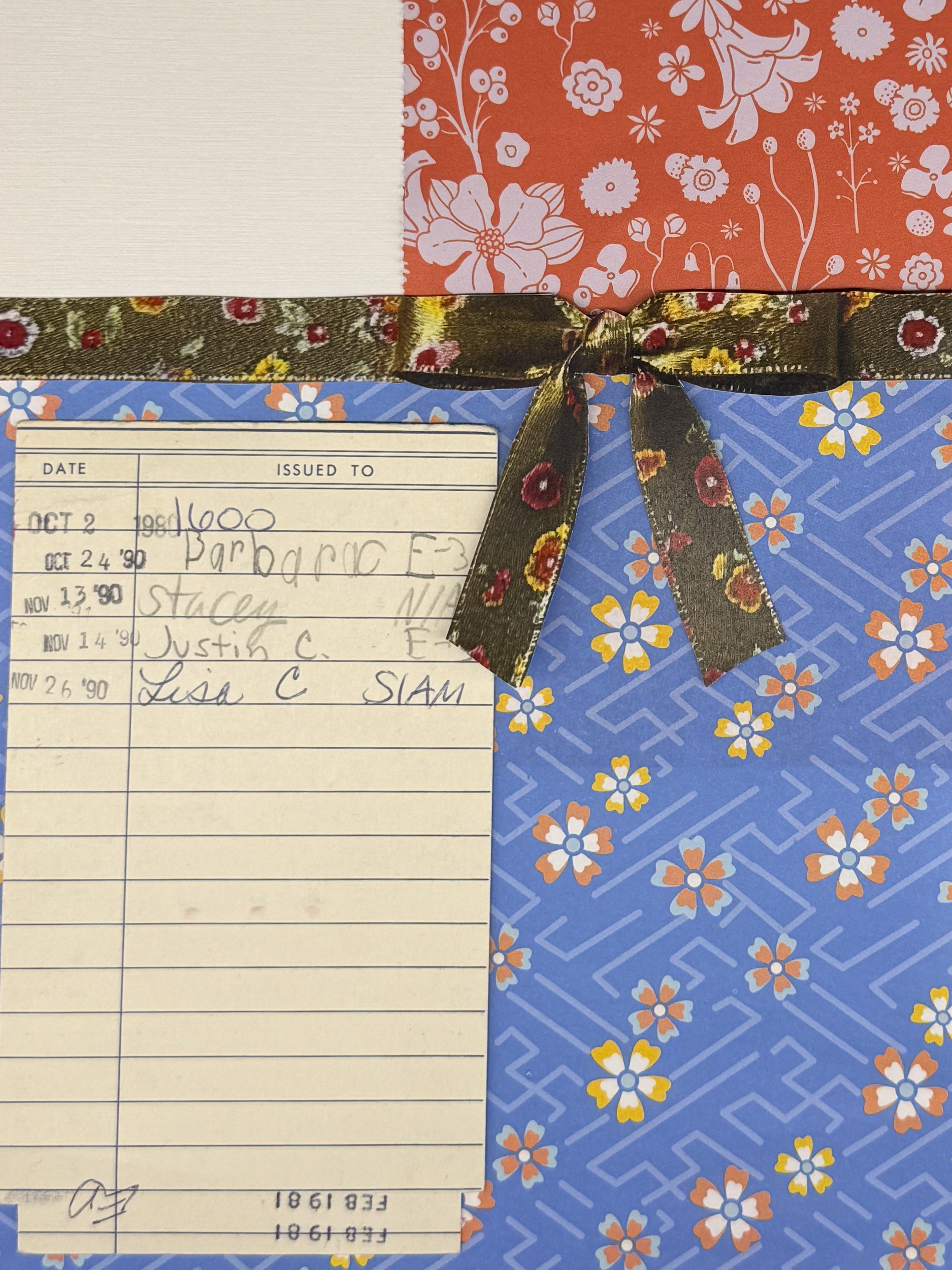
Even the most layered, playful, joy-filled page begins with curation.
When you sit down to make something — especially when memories are involved — the instinct is to put everything on the table. Every photo matters. Every ticket feels important. Every scrap seems like it belongs.
But meaning doesn’t come from quantity.
It comes from choosing.
Lay your pieces out before you glue. Move them around. Arrange. Rearrange. Step back. Remove one thing. Then another.
Suddenly, the page begins to feel intentional.
Editing is where the story appears.
Why Editing Matters More With Memories
When you’re working with old photographs, letters, programs, or documents, you’re not just designing — you’re interpreting a life.
You are deciding:
What moment is this page about?
What feeling should it hold?
What deserves to be seen first?
A memory page isn’t an archive box flattened onto paper.
It’s a moment you are helping the viewer enter.
If everything is important, nothing is.
Editing doesn’t erase history. It reveals it.
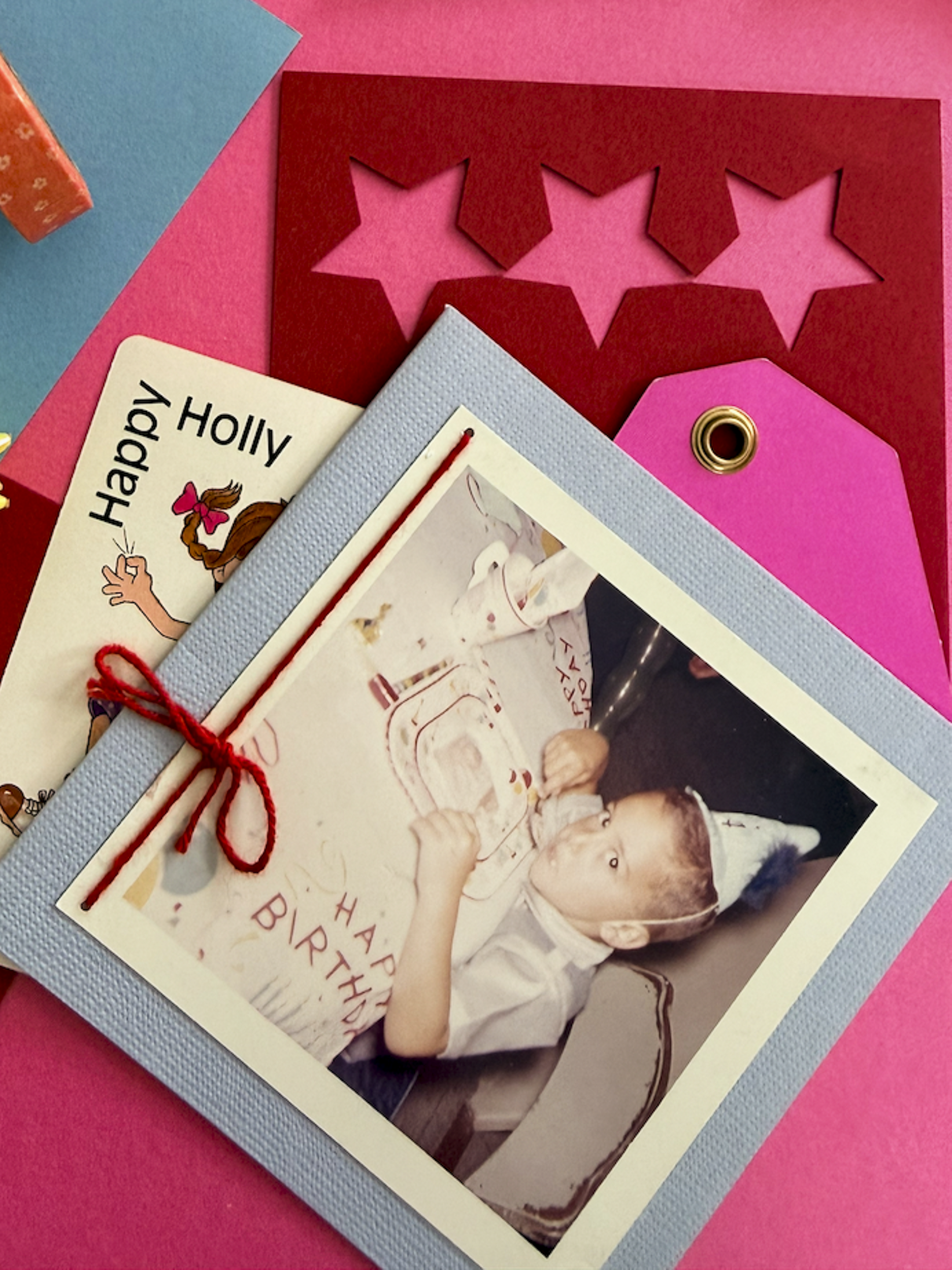
A Vintage Birthday Photo
Gotta love that hat!
Practical Editing Techniques
Choose a hero
Every page needs a focal point. A photograph, a handwritten note, a date stamp, a piece of clothing in a photo — something leads the story. Everything else supports it. If two pieces compete in a distracting way then one should leave
Leave breathing room
Empty space or blocks of color give weight to what remains and lets the viewer pause. Quiet areas create emotional emphasis.
Limit the palette
Before gluing, remove anything outside the color story. Even meaningful items can wait for another page. Editing protects mood.
Crop bravely
You are allowed to use only part of a photograph or document. Sometimes the sleeve, the handwriting, or the edge of a building tells the story better than the full image. If you are worried about altering an original image or document, make a copy or scan/take a photo and print it to ensure that the original image stays intact.
Too many stories
If a page tries to tell too many memories, it may get confusing. Don’t feel like you need everything on one page. Make multiple pages!
Try it before committing
Place items down without adhesive and live with the arrangement for a minute. Your eye will notice imbalance before your brain does. Step back, squint, turn the piece upside down. These are all ways to see if the composition works.
Stop earlier than you want
It’s easy to make overworked pages. When a project feels almost finished, pause. Finished often lives one step before “just one more thing.”
Until next time, friends. Scissors down, glue capped. ❤️ Alexis